Announcement

Flowserve announces the acquisition of Trillium Flow Technologies’ Valves Division.
Flowserve announces the acquisition of Trillium Flow Technologies’ Valves Division.

Announcement
Flowserve announces the acquisition of Trillium Flow Technologies’ Valves Division.
Flowserve announces the acquisition of Trillium Flow Technologies’ Valves Division.


by Beat Schneider
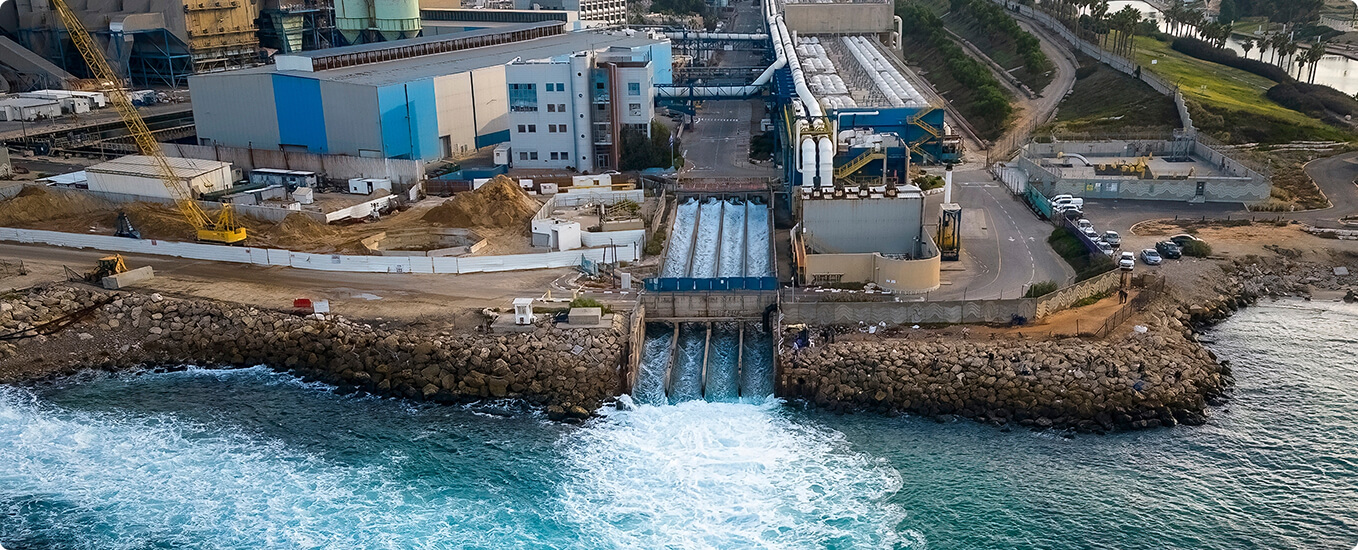
To meet the growing demand for clean water around the world, additional desalination capacity will be needed for years to come. That will require significant capital expenditures from public organizations and governments as well as the private sector.
In addition, long-term operating expenditures — especially for energy — will be among the critical factors that influence the success of large-scale projects to convert plentiful seawater or brackish water into affordable and reliable supplies of potable water.
The price of desalinated water has trended downward in recent years, driven by requirements from desalination plant developers and owners for ever-lower costs per m3/gallons of desalinated water. How desalination plant operators can continue to meet these expectations will be determined by how they respond to the following six critical challenges:
I spoke about these challenges — and promising solutions to address them — at Destination Innovation 2022, a virtual expo organized by Flowserve. Let me share some key insights and recommendations from that presentation.
Desalination project contracts are often awarded based on the lowest proposed water tariff. Most of those contracts have a duration of 20 or more years, so the upfront capital expenditures to design, construct and commission a desalination plant are thoughtfully specified and managed. But operating expenditures over the total desalination lifecycle can significantly outweigh the initial investment.
In fact, the energy consumed by pumps in the seawater reverse osmosis (SWRO) desalination processes that separate salts and other dissolved solids from water represents the biggest energy expense. It can add up to as much as 40% of the overall cost of the water, according to the U.S. Environmental Protection Agency (EPA).
Therefore, operational efficiency is highly important to desalination plant operators. I'm proud of the fact that Flowserve is the first supplier to deliver a single-stage, high-pressure pump to SWRO desalination plants with efficiencies above 90%. The DVSH-RO high-pressure membrane feed pump features a side-by-side nozzle configuration and optimized hydraulics that provide the best hydraulic fit to maximize operating efficiency and stability. Corrosion-resistant materials ensure long-term service, and the result is uncompromising reliability over a wide flow range.
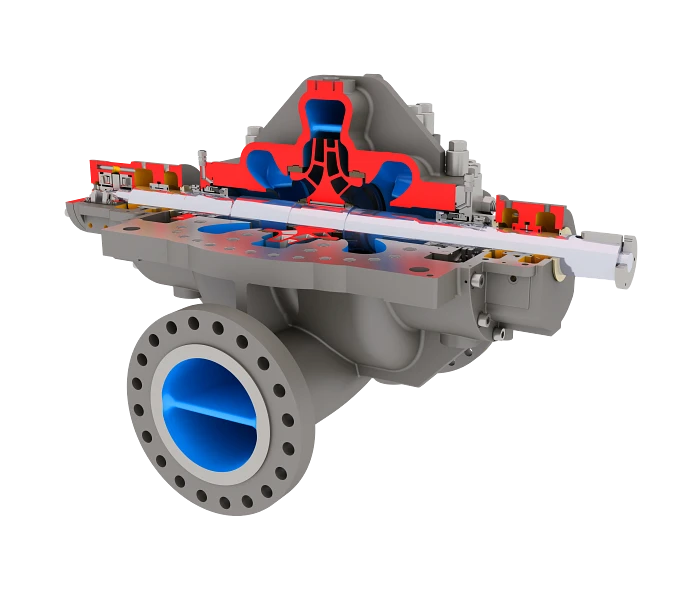
The DVSH-RO single-stage, membrane feed pump is designed for heavy-duty SWRO processes.
The DVSH-RO pump is one of several pumps that Flowserve offers to meet the specific requirements of the desalination industry. It helps to solidify us as a single-source supplier with a comprehensive product portfolio to suit the varying demands of all desalination applications and plant configurations.
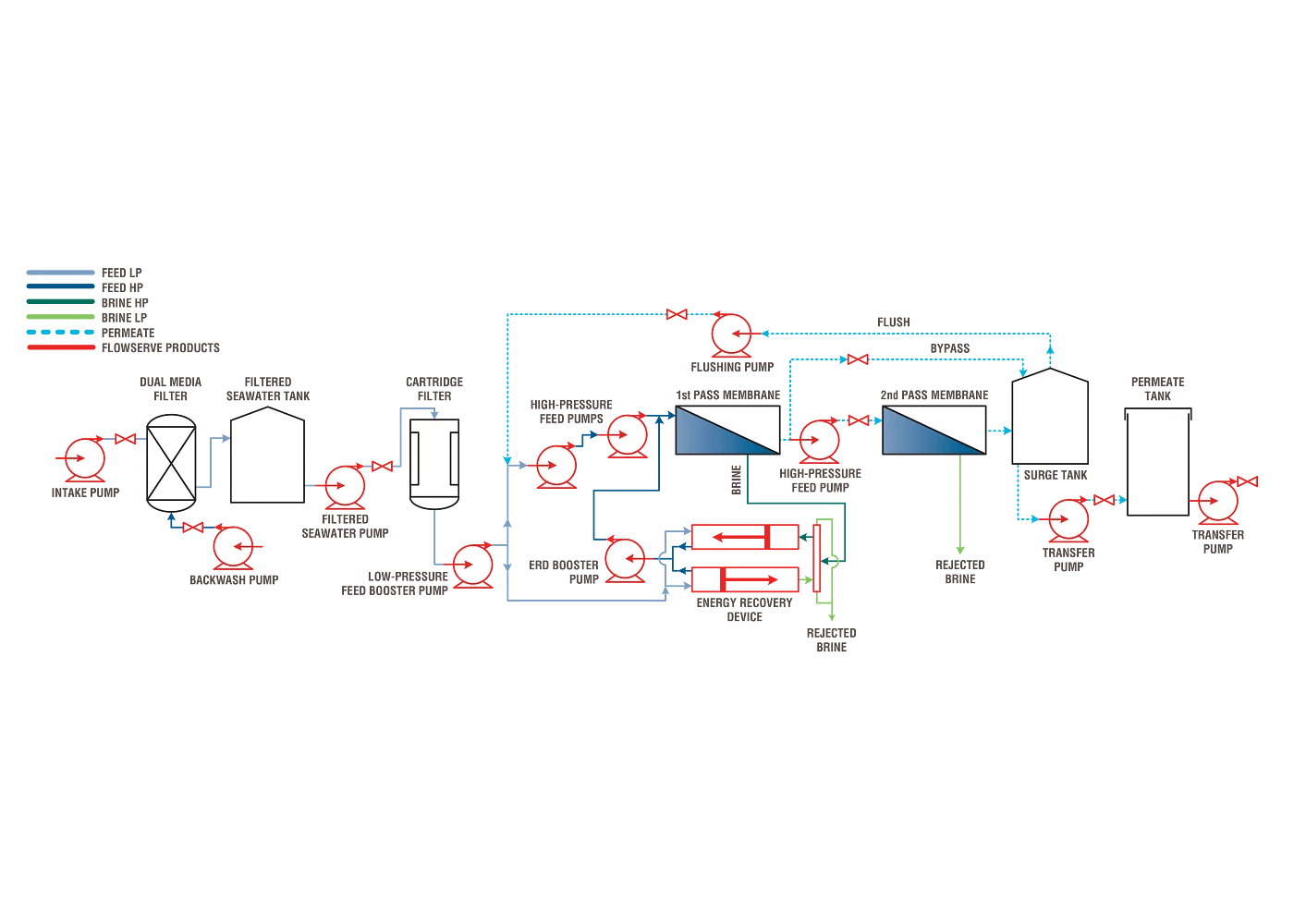
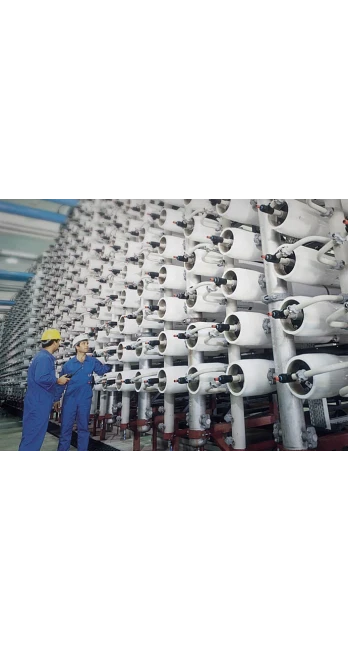
Flowserve is the only supplier with a complete fluid motion and control portfolio for SWRO desalination plants, ranging from pumps and energy recovery devices (ERDs) to seals and valves.
When designing advanced desalination plants, cost-effective water production and system availability and reliability are important considerations. Desalination plant developers and owners should look for an expert partner to consult with them and deliver complete, integrated flow control systems that are energy-efficient and scalable. This partner should possess deep industry knowledge and engineering prowess which desalination plants can leverage to operate economically and grow with demand.
Regardless of the desalination process, you can successfully lead projects with the support of a partner like Flowserve who offers specialty equipment and aftermarket services that keep key flow control processes running smoothly. Pick a partner who offers:
Power consumption is a main contributor to water cost. It is key to carry out periodic maintenance during the complete lifecycle of the equipment, maximize the quality and efficiency of the equipment, and avoid unforeseen loss of production.
During my Destination Innovation 2022 presentation, I highlighted the characteristics and expertise of the ideal flow control equipment provider. Ask these nine questions to determine whether the supplier is a good match for your desalination project:
Global demand for clean water continues to accelerate, and municipalities and industries are looking for reliable, energy-efficient desalination solutions. The conversations during and after Destination Innovation 2022 make it clear that desalination project developers and owners need technologies and support services that enable them to cost-effectively bring safe water to communities.
Whether for potable or industrial use, you will find Flowserve's pumps, valves and ERDs at work in desalination plants all over the world. Our products provide high efficiency and long-term reliability that result in increased uptime with low cost of ownership.
For example, the versatile DS-RO auxiliary service feed pump from Flowserve is well-suited for desalination support services, including filtered water, low- or high-pressure feed boosting, and potable water backwash.
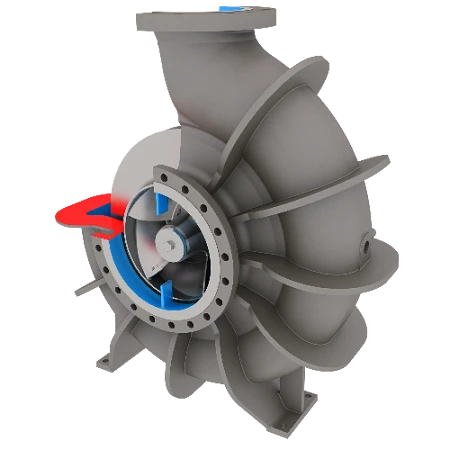
The Flowserve DS-RO single-stage, end-suction, foot-mounted pump is engineered specifically for auxiliary applications in RO desalination processes.

As Flowserve's Director of Global Desalination, Beat Schneider is responsible for the desalination market for fluid control and motion products. He joined Calder in 1993 as a project engineer. By 2003, his duties increased when Beat took over the overall responsibility for the company as the managing director. Under his lead, Calder was successfully involved in some of the biggest RO projects in the world. After the acquisition of Calder by Flowserve in 2009, Beat, became the Global Desalination Manager within the group of industry leaders and took over the global responsibility for Flowserve products as director in 2016.
EU nations see industrial energy users as key partners in achieving net-zero by 2050.